Camper Cabins vs Vacation Cabins at North Carolina State Parks
Choosing a cabin at a North Carolina state park can be confusing when the names sound similar but the reservation rules differ. The best fit depends less on the label and more on how long you can stay, when you plan to go, and what you need inside the cabin. Here’s how to compare the two types without assuming that every cabin has the same setup.
The basic difference: compare the stay, not just the name
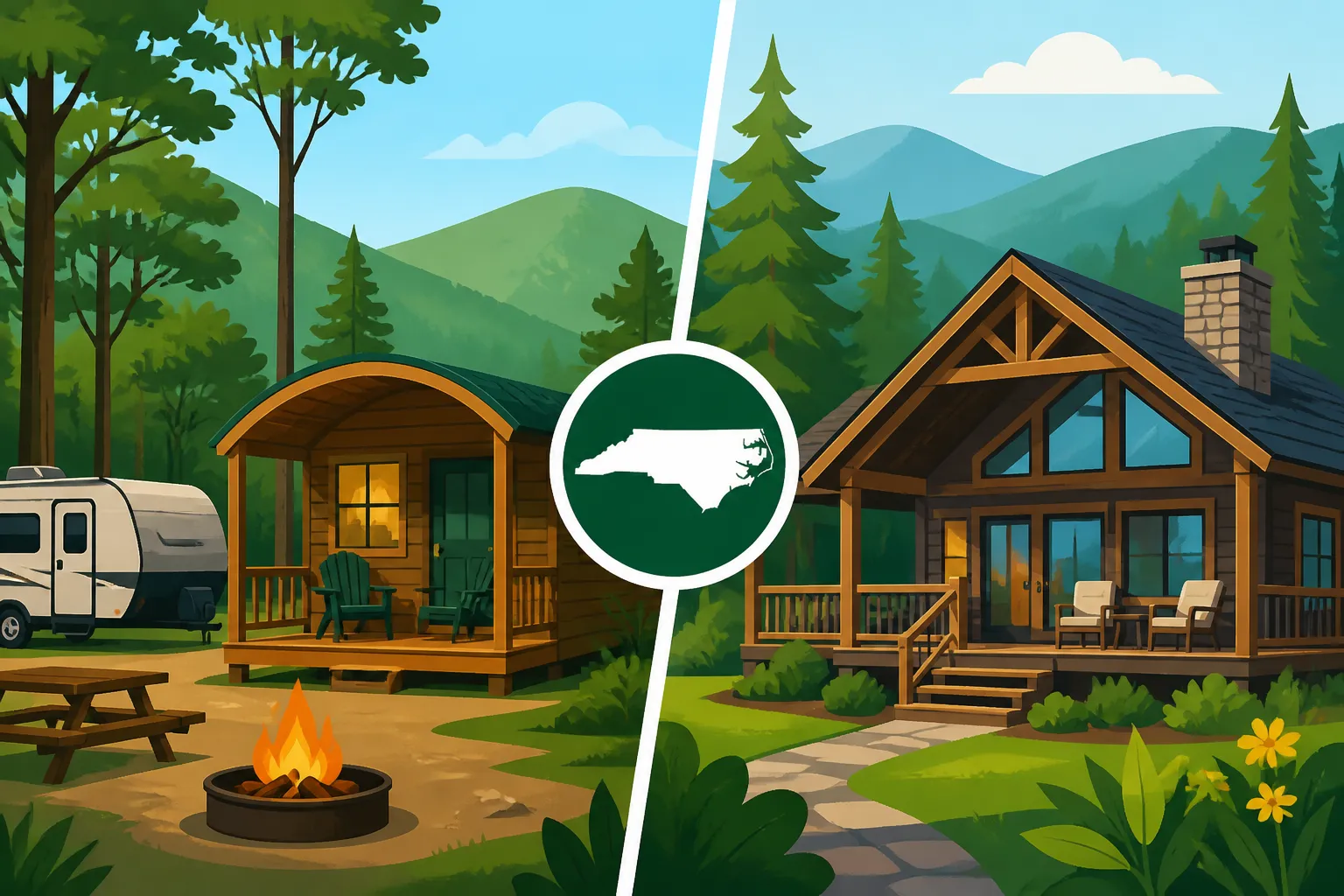
Camper cabins and vacation cabins are both reservable lodging, but they shouldn’t be treated as interchangeable. Their booking patterns differ, and the details that matter most—such as sleeping arrangements, bathroom access, kitchen equipment, and accessibility—need to be checked for the specific cabin you’re considering.
The North Carolina Division of Parks and Recreation states: Two-night minimum stay for camper cabins. It also states: Two-night minimum stay for vacation cabins. The shared minimum means that a short overnight stop may not suit either type. Before you build a trip around a cabin, check the dates and minimum-stay requirement in its current reservation listing.
The larger scheduling distinction applies to vacation cabins during a defined summer period. According to the North Carolina Division of Parks and Recreation: From the first Monday in June to the third Monday in August, vacation cabins must be rented weekly from Monday to Monday. That weekly pattern can shape the whole trip: it may work well for a longer holiday, but it can rule out a shorter visit during that window.
Camper cabins are often worth investigating when the priority is a cabin-style place to sleep while spending much of the trip outdoors. Vacation cabins may be a better fit when the intended stay is longer or the listing offers features that support more time indoors. Those are planning starting points, not guarantees about amenities. A cabin’s name alone does not tell you what it contains.
The North Carolina Division of Parks and Recreation lists 151 # of reservable cabins in the state parks system. That systemwide count gives a sense of the range of lodging, but it doesn’t mean every park offers both types or that every cabin is available for your dates. The park and individual cabin listing are the places to confirm what is offered.
If you are still choosing between a rustic overnight and a more fully equipped stay, Camper Cabin Basics at NC State Parks: Outlets, Grills and Beds and Which NC State Parks Rent Vacation Cabins, and What They Include can help you identify the details to compare. For a broader look at park lodging, see Camping in North Carolina State Parks: Campsites, Cabins, Backcountry.
Camper cabins: a fit for a focused outdoor stay
A camper cabin can be a useful middle ground for people who want shelter but don’t want to bring or sleep in a tent. It can also give a camping trip a simpler home base for changing clothes, resting between activities, or getting out of poor weather. The key is to treat the cabin as a specific accommodation with its own limits, rather than as a small version of a vacation home.
Camper cabins are not a single standardized product across the state parks system. Park location, cabin design, and the listing’s stated features all matter. Don’t assume that a cabin has a private bathroom, running water, cooking equipment, a refrigerator, heating, or linens unless the official information for that cabin says so. The same caution applies to beds and sleeping capacity: inspect the listing rather than estimating from the category name.
The North Carolina Division of Parks and Recreation lists Gorges State Park as having five camper cabins in the family campground. That can make the park a useful option to investigate if you want a camper-cabin stay there, but check the individual listing for its facilities and terms. The Division also lists Carolina Beach State Park as offering Camper cabins. These examples show that camper cabins appear in more than one setting; they do not establish that the cabins have identical layouts or equipment.
Cliffs of the Neuse State Park offers a useful reminder that lodging options can sit alongside other forms of camping. According to the North Carolina Division of Parks and Recreation, the park offers Camper cabins Tent sites Trailer and RV sites. If you’re travelling with people who prefer different types of accommodation, check whether the available options and dates line up before settling on a plan.
Before reserving a camper cabin, consider how you expect to use it:
- A place to sleep after active days: Confirm the sleeping setup and what you need to bring. Don’t assume bedding, pillows, or linens are supplied.
- A fallback for unsettled weather: Check whether the listing describes indoor space and any equipment you would rely on. A roof over your head doesn’t automatically mean a heated or fully furnished room.
- A trip with children or older relatives: Review access from parking, bathroom arrangements, and how far you may need to walk between the cabin and shared facilities.
- A stay with a pet: Verify the park’s current pet policy for that accommodation. Rules can differ between cabins and other parts of a park.
- A trip that includes cooking: Confirm what cooking equipment is provided and where cooking is allowed. Bring a backup meal plan if the listing doesn’t promise the facilities you need.
If the cabin is a base for hikes, beach time, paddling, or other outdoor activities, plan for the possibility that much of the day will be spent away from it. Think through where wet clothing, food, and gear will go, and whether there is enough indoor space for your group to relax if the weather changes. Those practical questions can matter more than the cabin category.
The camper-cabin name also shouldn’t lead you to assume that the experience is exactly like sleeping in a tent. It may offer a different level of shelter and convenience, but the arrangement varies by listing. Read How Rustic Is a Night in an NC State Park Camper Cabin? for help setting expectations, and use Packing for an NC State Park Camper Cabin: Linens, Pillows and More to build a packing plan around the amenities actually provided.
Vacation cabins: plan around the calendar and the listing
A vacation cabin can suit a trip where you want to stay in one place longer or spend more time at the lodging itself. But the label doesn’t tell you the complete floor plan or amenity package. Confirm what is included for the particular cabin, rather than relying on what a vacation cabin elsewhere might provide.
The most important calendar issue is the weekly rental pattern during the summer period described by the North Carolina Division of Parks and Recreation. If your available dates fall within that window, check whether the Monday-to-Monday schedule fits your plans before you make other arrangements. It may require a longer visit than you had in mind, or it may work naturally with a vacation that already allows a full week at the park.
Outside that stated summer window, don’t infer that any dates or stay lengths are automatically available. The cabin’s reservation calendar and rules determine what can be booked. Minimum stays, open dates, and other conditions can be specific to the lodging and period, so check the current listing before arranging travel.
A vacation cabin may be more appealing than a camper cabin if the listing supplies features your group will use over a longer stay. That could include particular sleeping arrangements, kitchen facilities, or a bathroom—but those are questions to verify, not features to assume. If a specific amenity is essential, look for it in the listing details and contact the park through its official website if the information is unclear.
Consider the daily routine as well as the cabin itself. A group that plans to cook most meals will care about kitchen equipment and food storage. Someone who needs an accessible route will want clear information about the path, entrance, and interior. A family with young children may care about sleeping arrangements and bathroom access at night. The cabin category cannot answer these questions by itself.
Vacation cabins can also change how you pack. If the listing confirms a kitchen, identify which utensils and supplies are included and which are not. If it doesn’t specify linens, plan to bring what you need rather than assuming the beds are made up. If there is no confirmed indoor cooking option, plan meals that don’t depend on one. This reduces the risk of arriving with the wrong expectations.
For a closer look at cabin features and planning, see Finding a Cabin in North Carolina’s State Park System and Checking a Cabin’s Amenities Before Booking an NC State Park Stay. If your trip is timed for summer, Renting a Vacation Cabin in Summer: The Monday-to-Monday Week focuses on the scheduling issue. For other booking questions, Using ReserveAmerica to Reserve a North Carolina State Park Campsite can help explain how to approach a reservation, while the cabin’s own official listing remains the place to confirm its terms.
Compare the details that affect your trip
A helpful comparison starts with the questions that could change whether a stay works for your group. The names point to different lodging categories, but the individual listing is what can settle practical questions.
| What to compare | Camper cabin | Vacation cabin |
|---|---|---|
| Minimum stay | The North Carolina Division of Parks and Recreation states: Two-night minimum stay for camper cabins. | The North Carolina Division of Parks and Recreation states: Two-night minimum stay for vacation cabins. |
| Summer scheduling | Check the specific listing and reservation calendar for available dates and conditions. | According to the North Carolina Division of Parks and Recreation, From the first Monday in June to the third Monday in August, vacation cabins must be rented weekly from Monday to Monday. |
| Amenities | Verify sleeping arrangements, bathroom access, cooking options, and supplied items in the specific listing. | Verify sleeping arrangements, bathroom access, kitchen features, and supplied items in the specific listing. |
| Best planning question | Will the cabin’s confirmed setup support a mostly outdoor trip? | Do the cabin’s confirmed setup and rental schedule suit a longer stay? |
| Availability | Check the park and cabin listing for your dates. | Check the park and cabin listing for your dates. |
Use the table as a prompt, not a substitute for checking details. If a feature is important, confirm it in the official information. Descriptions may not answer every question, and a broad category can cover accommodations with different layouts.
Amenities worth confirming
Bathroom and water access: Establish whether the cabin has its own bathroom or relies on shared facilities. Find out what water is available and where. This can affect nighttime routines, meal planning, and whether the cabin is suitable for anyone with mobility or health needs.
Cooking and food storage: Check whether cooking is permitted inside, outside, or only in specified areas, and what equipment is supplied. Don’t assume a refrigerator, stove, microwave, dishes, or cookware are included. If food storage is essential, confirm the arrangement and follow the park’s rules.
Beds and linens: Look for the number and type of sleeping spaces, then check what bedding is provided. “Sleeps” information may not tell you whether you need sheets, blankets, pillows, or sleeping bags. A small amount of advance checking can prevent a difficult arrival.
Heating and cooling: If you are visiting in uncomfortable weather, confirm what climate control is available in the cabin and whether it is described as part of the accommodation. Don’t make a comfort plan based on the word “cabin.”
Access and parking: Check how close parking is, whether the route is paved or uneven, and whether the cabin has steps or other barriers. If accessibility matters, ask for cabin-specific details rather than relying on a general park description. Which State Park Cabins Are Built for Limited Mobility? offers more questions to consider.
Pets: Confirm the rules for the exact cabin and reservation. A park may have pet-friendly outdoor areas while particular buildings or lodging units have different restrictions. For broader context, see Pets at North Carolina State Parks: Leashes, Buildings and Swim Areas.
Total trip cost and reservation conditions
The cabin’s nightly or weekly cost is only part of the planning picture. Look for any service charges, taxes, required fees, or other booking conditions shown by the official reservation system. For named providers, prices and fee terms can change, so use the provider’s current information rather than a remembered amount or an old estimate.
Also check the cancellation and change policy before confirming a reservation. A change in weather, travel plans, or group size can affect whether you want to adjust your dates. Read the current terms carefully, and don’t assume that changing a reservation works the same way as cancelling it. Campsite Cancellation and Refund Rules at North Carolina State Parks and Service Fees and Minimum Stays on NC State Park Camping Reservations offer related booking context, though the specific cabin’s terms are the ones to follow.
Choose by trip style, group needs, and dates
The better choice is the accommodation that fits the trip you can actually take—not the one with the more appealing name. Start with your dates, then work through the stay length, required amenities, and the way your group expects to use the park.
If the trip is a short outdoor break
A camper cabin may be worth checking if you want a sheltered place to return to after spending most of the day outside. First confirm that your dates satisfy the minimum stay and that the listing meets your basic needs. If you would be frustrated without a bathroom, cooking facilities, or climate control, confirm those points before booking rather than hoping the cabin includes them.
A vacation cabin may also work for a short trip if its available dates and minimum stay fit, but a summer visit may be constrained by the Monday-to-Monday schedule. Don’t assume that a cabin can be rented for a shorter stretch just because you see open dates on a calendar. Check the stay rules for the exact dates.
If the group wants a longer park stay
Vacation cabins are natural candidates to investigate for a longer stay, especially when the listing offers facilities the group will use. Match the cabin to daily routines: meal preparation, downtime, sleeping arrangements, and access to shared park facilities. A longer booking makes it especially important to confirm the cabin’s setup rather than treating it as a place to sleep only.
Camper cabins may still be suitable for a longer outdoor-focused visit if their facilities fit the group’s needs. The deciding factor should be the actual setup and reservation rules, not a general assumption that one type is always more comfortable.
If dates are fixed
Begin with the reservation calendar. If the fixed dates fall during the summer period when vacation cabins must be rented weekly from Monday to Monday, that schedule may determine whether a vacation cabin is practical. Check camper cabins and other lodging options if the vacation-cabin pattern doesn’t match your available time.
If availability is limited, consider whether a different park, date range, or accommodation category would still meet the trip’s needs. Do not switch to a cabin simply because it appears available; compare its amenities and rules first. For a broader set of approaches when a preferred site is unavailable, Sold Out on Your Dates? Ways to Still Land a State Park Campsite may help with alternative planning.
If the group has different comfort needs
Ask each person what they need for the stay to work. One traveler may care most about a private bathroom, another about a particular sleeping arrangement, and another about easy access from the vehicle. List essential needs separately from preferences. Then use the cabin listing to check each essential item.
For mixed-age groups, consider the route between the cabin, vehicle, and shared facilities. If a member of the group has limited mobility, a general statement that a park has accessible features may not answer whether the specific cabin suits them. Ask the park through its official website if the listing leaves an important access question unresolved.
For a group that includes people who would rather not camp in a tent, either cabin type may be worth considering. The right choice depends on the confirmed facilities and booking pattern. Camping for People Who Don’t Love Camping: Starting With a Cabin and Planning a Cabin Weekend With Kids at an NC State Park offer more trip-planning ideas.
If camping companions prefer different setups
A group may want cabins for some guests and tent, trailer, or RV sites for others. Check whether the park offers the kinds of accommodation your group needs and whether there is availability for the same dates. Even within the same park, lodging can be in different areas or have separate reservation conditions.
Cliffs of the Neuse State Park is listed by the North Carolina Division of Parks and Recreation as offering Camper cabins Tent sites Trailer and RV sites. That range may make it a place to investigate for a group with varied camping preferences, but check availability and the location of each option before coordinating plans.
How to check a cabin before you reserve
Use the official listing as a decision tool, not just a calendar. A careful review can help you spot a mismatch before you commit to travel.
- Confirm the lodging category and park. Make sure the listing is for the cabin type and location you intend to reserve. Similar names can refer to different accommodations.
- Check the dates and minimum stay. Apply the stated stay rules to your chosen dates, and review the vacation-cabin summer schedule if it may affect your trip.
- Read the complete amenity description. Look for bathroom access, water, cooking facilities, beds, heating or cooling, linens, and supplied equipment. Treat missing details as questions, not as proof that a feature is included.
- Review occupancy and sleeping information. Make sure the arrangement works for the people in your group. Verify any limit or condition shown on the official listing.
- Check access and parking information. Review the route and any steps or uneven surfaces. Ask the park if accessibility details are unclear or essential to your stay.
- Review the current reservation conditions. Check cancellation and change rules, required charges, and any instructions attached to the reservation.
- Save the confirmation and arrival details. Keep the reservation information available during travel and note any check-in directions or instructions provided by the park.
If the listing is unclear, contact the park using current contact details from its official website. Be specific rather than asking whether the cabin is “fully equipped.” Ask about the item that affects your trip: whether the bathroom is inside the unit, what cooking equipment is supplied, what bedding is included, how far the parking area is, or what route leads to the entrance.
It can help to take notes while comparing options. Record the cabin name, park, available dates, confirmed amenities, unanswered questions, and booking conditions. That makes it easier to compare a camper cabin at one park with a vacation cabin at another without relying on memory or on assumptions based on photographs.
Once you have selected a cabin, plan around what the listing confirms. Pack linens or cooking supplies only after checking whether they are provided, and make a backup plan for any amenity that is unavailable. If the park’s rules affect food, pets, fires, or access, review those separately. Cabin reservations don’t necessarily cover every activity or park service. For wider trip preparation, see Camping Essentials for an NC State Park Weekend, Cabin or Tent and Questions to Ask a Park Office Before Your First NC State Park Stay.
Frequently Asked Questions
Are camper cabins and vacation cabins both subject to a minimum stay?
Yes. The North Carolina Division of Parks and Recreation lists a two-night minimum for each type. Confirm the rules for the dates and cabin you are considering.
Can vacation cabins be booked for a shorter stay during the summer period?
The Division’s stated schedule requires vacation cabins to be rented weekly from Monday to Monday during the specified summer window. Check the official listing for your dates before making plans.
Does every North Carolina state park have both types of cabin?
No. The systemwide cabin count does not mean every park offers every lodging type. Check the individual park’s official camping and cabin information.
Are camper cabins furnished with bathrooms, kitchens, or linens?
Don’t assume so. Amenities can vary, and the listing for the specific cabin is the place to verify what is provided.
Sources
- North Carolina Division of Parks and Recreation — State Parks Reservation Rates and Activity Fees | NC State Parks (checked November 22, 2026)
- North Carolina Division of Parks and Recreation — Camping | NC State Parks (checked November 22, 2026)
- North Carolina Division of Parks and Recreation — Gorges: Camping | NC State Parks (checked November 22, 2026)
- North Carolina Division of Parks and Recreation — Cliffs of the Neuse State Park: Home | NC State Parks (checked November 22, 2026)
Disclaimer
This article is for general informational purposes only and does not constitute professional advice. Laws, prices and regulations vary by location and change over time. Consult a qualified professional for guidance on your specific situation. North Carolina Camping & RV is not a government agency and is not affiliated with any government agency.