What a North Carolina State Park Visit Costs: Entry, Camping, Extras
North Carolina state park trips can cost little or involve several separate charges, depending on where you go and what you plan to do. The tricky part is that there is no single visit price: entry, camping, swimming, rentals, and reservations may be priced separately. Here’s how to identify the likely costs and build a realistic budget before you leave.
What Goes Into the Cost of a State Park Visit
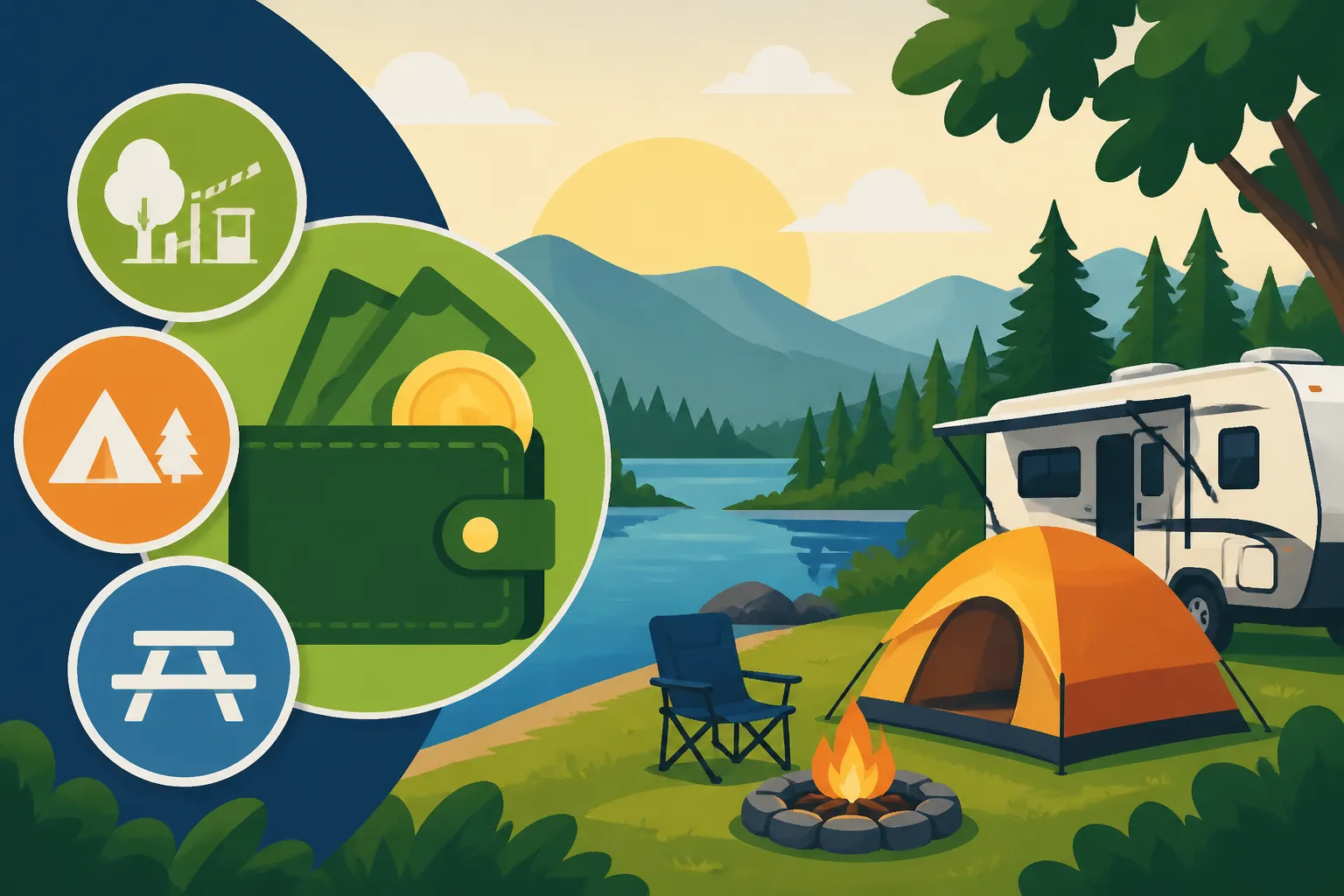
A useful starting point is to treat a park trip as a collection of possible costs, not as one all-inclusive admission ticket. You might pay nothing to enter a park but still pay for a campsite, a swim pass, a rental, or a facility reservation. Conversely, an outing that uses only free day-use areas may have no park charge at all.
The North Carolina Division of Parks and Recreation explains that “Most state parks are free to enter.” It also says, “All other state parks are free to enter year-round,” with an exception for attraction access at Chimney Rock State Park. These statements describe general entry, not every activity or overnight stay within the system.
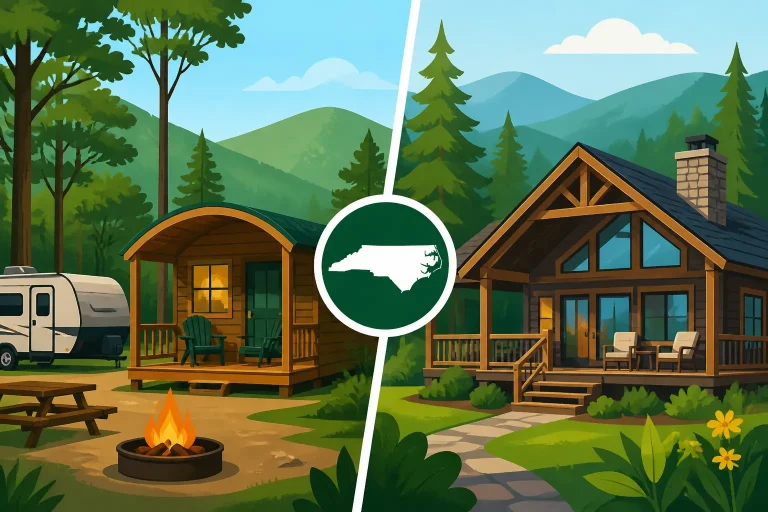
For camping, the Division says North Carolina state park camping fees range from $15 to $145 per night. The range is broad because the system includes different camping experiences, and the figure alone does not tell you the rate for a particular site or date. Confirm the listing for the exact campground and site you want before treating the range as a quote.
Other possible charges include facility reservations, swim passes, rentals, and permits. Whether one applies depends on your plans. A day visitor who does not camp, swim in a fee-based area, rent equipment, or reserve a facility may have a very different bill from a visitor staying overnight and adding activities.
| Cost category | What to check | Why it can change your budget |
|---|---|---|
| General entry | Whether the park or access area charges an entrance fee | Many parks are free to enter, but some locations or seasons have entry charges |
| Camping | The rate for the specific campground, site, and dates | Overnight charges are separate from general day-use entry |
| Swimming | Whether a swim pass is required for the area you plan to use | Swimming access may be an additional cost |
| Rentals | The available rental and its current charge | Equipment rentals are separate from entry and camping |
| Facility reservations | Whether the facility requires a reservation and what it costs | A reserved facility can add a separate line to the trip budget |
| Permits | Whether your planned activity requires a permit and has a fee | The cost depends on the activity and the applicable requirements |
When comparing trip ideas, keep each category visible rather than combining everything into a vague estimate. That makes it easier to see whether the expense is tied to entering the park, staying overnight, or choosing a particular activity. It also helps prevent a common budgeting mistake: assuming that a free entrance means the whole visit is free.
For a broader overview of campsite choices, see Camping in North Carolina State Parks: Campsites, Cabins, Backcountry. If you are still deciding what kind of outing fits your group, Matching Your Camping Style to the Right North Carolina State Park can help you compare the kind of experience you want before looking at specific costs.
Entry Fees: When a Day Visit May Cost Nothing
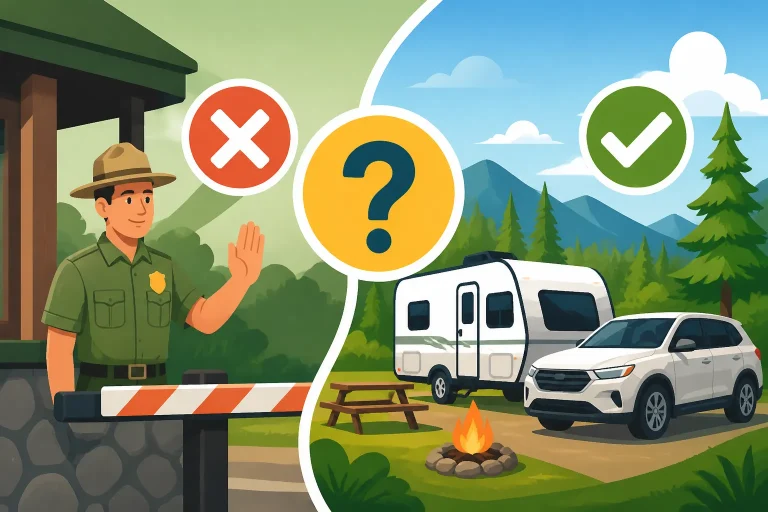
For many visitors, the first budget question is whether they will pay simply to enter. The general answer is favorable: most parks do not charge a general entrance fee. But a visitor should still check the exact destination and access area, because an attraction or recreation area may have a different fee arrangement.
According to the North Carolina Division of Parks and Recreation, “Entrance fees are charged at the Chimney Rock attraction and during peak season at Falls Lake, Jordan Lake, and Kerr Lake state recreation areas.” The timing matters at the three lake recreation areas: a visit outside the fee season may have a different entry cost from a visit during peak season. Confirm the current fee information for your intended date rather than relying on an old trip estimate.
At Falls Lake, Jordan Lake, and Kerr Lake state recreation areas, the vehicle entrance fee is $10 per day for one motor vehicle, according to the North Carolina Division of Parks and Recreation. That charge is associated with vehicle entry, so a group arriving in one vehicle should not assume the amount works like an individual admission price. If your party plans to arrive in more than one vehicle, check how the applicable fee is handled for each vehicle.
Chimney Rock needs a separate check because the attraction access is the exception to the general free-entry description. Don’t assume that a statement about free entry at other state parks means the attraction has no admission charge. The fee you need to verify is the one tied to the specific area or experience you plan to visit. For related planning details, see Paying Admission at Chimney Rock State Park, and Rumbling Bald’s Fee.
A quick entry-cost check can be done before you settle on a park:
- Identify the exact park and the particular access area you plan to use.
- Check whether the destination charges an entrance fee, and whether a seasonal fee applies.
- If you will arrive by vehicle at Falls Lake, Jordan Lake, or Kerr Lake during peak season, confirm the current vehicle charge and how it applies to your arrival.
- If your plan includes Chimney Rock attraction access, check that charge separately from general park entry.
- If you are comparing possible destinations, compare the same kind of access at each place rather than treating every park as having the same entry policy.
This distinction is especially helpful when a trip includes a reservoir area. A state park visit and a visit to a state recreation area may not have the same entry-fee pattern. The system-wide statement that most parks are free is a useful baseline, not a substitute for checking the particular location.
Passes can also affect the decision, but it is important not to treat every pass as universal. The pass type, covered locations, and applicable limits matter. If you are considering one, compare its stated benefits with the places you expect to visit rather than assuming it covers every fee. See Do You Need a Pass to Visit North Carolina State Parks? and The NC State Parks Annual Pass: Benefits, Limits and Who Buys One for questions to consider.
Camping Costs: Site Type and Dates Matter
Camping is often the main cost for an overnight visit, and it is separate from any entry charge that may apply at the destination. The North Carolina Division of Parks and Recreation lists state park camping fees from $15 to $145 per night. That range gives you a broad sense of the system’s spread, but it cannot tell you what a particular reservation will cost.
The actual price to check is the one shown for the specific campsite, cabin, or other overnight option you are considering, for the dates you want. Do not use the lowest figure in the range as a promise that your preferred site will cost that amount. Nor does the upper end mean that every cabin or campground night approaches that figure. Use the current official listing to identify the exact rate before deciding whether a trip fits your budget.
Start by choosing the kind of stay. A tent site, an RV site, a walk-in campsite, a group area, a cabin, or a backcountry option may have different features and costs. Some options involve carrying gear farther from parking or bringing more of your own equipment; others may provide facilities that change what you need to pack. Those differences matter even when you are comparing only the listed overnight charge, because the least expensive booking may not be the least expensive overall choice once you account for your own gear and needs.
If you are deciding between a tent and an RV, compare what the site provides and what your vehicle requires. A site that suits one style may not suit another, even within the same campground. The Main Types of Campsites in North Carolina State Parks gives a useful overview of the options, while RV Camping at North Carolina State Parks: Sites, Hookups and Fees focuses on RV planning.
For cabins, check the specific property details rather than assuming all cabins have the same amenities or booking conditions. A cabin that supplies some basic features may reduce what you need to bring, while a more rustic option may require extra preparation. The campsite rate is only one part of that comparison. Finding a Cabin in North Carolina’s State Park System and Checking a Cabin’s Amenities Before Booking an NC State Park Stay can help you work out what to verify.
Before finalizing an overnight plan, check:
- The exact lodging or campsite type shown in the reservation listing.
- The rate for each night you intend to stay.
- Whether the chosen site meets your needs for vehicle access, equipment, and facilities.
- Whether a separate entrance charge may apply to your park or access area.
- Whether any planned activity adds a swim pass, rental, facility reservation, or permit charge.
- The current reservation details and any conditions displayed by the official system.
That list is not a set of extra charges that apply to every booking. It is a way to make sure the estimate includes the items that actually apply to your stay. A tent camper at a free-entry park may mainly need to budget for the campsite and personal trip expenses. An RV traveler going to a fee-season lake recreation area may need to account for both a campsite and vehicle entry. A cabin visit with swimming or rentals could involve still more separate costs.
If you want to compare overnight options without guessing, use the listing for each specific park and site. General articles can explain how site types differ, but only the official reservation information can confirm the current charge for the dates and selection you are considering. For help looking up options, see How to Look Up an NC State Park’s Camping Options and Rules.
Extra Costs for Swimming, Rentals, Reservations, and Permits
A park visit can include optional activities or services that are not covered by the campsite charge or general entry. The North Carolina Division of Parks and Recreation says, “Fees are charged for camping, facility reservations, swim passes, rentals, and permits.” That is a useful reminder to look beyond the entrance and overnight price when planning a fuller visit.
A swim pass is one example of a cost that can be tied to an activity rather than basic park access. If swimming is part of the plan, confirm whether the area you want to use requires a pass and how that access is arranged. Don’t assume a campsite booking automatically includes swimming, or that park entry includes a swim pass. The details depend on the destination and the activity.
Rentals can add convenience but should be considered as a separate budget line. If you plan to rent equipment, check what is available, how the rental is charged, and whether your preferred activity requires advance planning. A rental may help you avoid bringing bulky equipment, but it also adds a cost beyond campsite or entrance fees. Compare that charge with the effort and expense of bringing suitable gear yourself.
A facility reservation is another separate decision. If your group plans to use a reservable facility, verify both whether a reservation is required and what the current charge is. Do not assume that reserving a facility is included with an overnight booking or that a general entry fee covers it. When the facility is not essential, leaving it out may keep the budget simpler; when it is central to the gathering, make it part of the estimate from the start.
Permits deserve the same attention. If your planned activity has a permit requirement, check the relevant park information for what is required and whether a fee applies. Do not infer that a permit is needed merely because an activity sounds specialized, and do not assume that no permit is needed because the general park entrance is free. Confirm the specific activity and place.
The practical way to handle add-ons is to make a short list of what your group actually intends to do. For instance, a day outing might involve only walking and a picnic, while another outing may include swimming and equipment rental. An overnight trip might combine camping with a reserved facility. The costs differ because the plans differ, not because every visitor pays every category listed by the Division.
| Planned feature | Budget question to resolve | What not to assume |
|---|---|---|
| Swimming | Is a swim pass required for the intended area? | That entry or camping includes swimming access |
| Equipment rental | Is the item available, and what is the current rental charge? | That rentals are included in the campsite price |
| Group facility | Does the facility require a reservation, and what does it cost? | That a campground booking reserves a separate facility |
| Permit-based activity | Does the activity require a permit, and is there a fee? | That all activities have identical permit requirements |
| Overnight stay | What is the rate for the exact site and dates? | That the system-wide range is the rate for your booking |
These questions are also useful when comparing two trips that seem similar. One park may suit a low-cost walk and picnic, while another plan may be built around a rental or swimming. The right comparison is not simply “Which park is cheaper?” but “What will we pay for the things we actually plan to do there?”
For swimming-specific planning, Swim Beaches at NC State Parks: Passes, Pets and Planning can help you identify issues beyond the pass itself. If your plan includes a group event or organized activity, see Events, Climbing Groups and Rentals: When NC State Parks Need a Permit and confirm the current requirements for that activity with the official park information.
Build a Budget Before You Choose a Park
A good estimate begins with the trip plan, not with a guessed total. Start by deciding whether this is a day visit or an overnight stay. Then list the location, the activities, and the people and vehicles involved. Once those choices are clear, look up the charges that correspond to them.
For a day visit, the main park-related question may be whether entry is free or fee-based. If the trip includes swimming, rentals, a facility reservation, or a permit-based activity, add those items to the check. For an overnight visit, look up the campsite or lodging rate first, then check whether the destination also has an entry charge and whether the group plans to pay for any add-ons.
A simple worksheet can keep the calculation organized:
| Budget line | Enter the amount only after checking |
|---|---|
| General entry or vehicle entrance | The fee for the park, access area, season, and arrival plan |
| Campsite or lodging | The listed rate for the exact selection and dates |
| Swim access | Any required pass for the intended swimming area |
| Rental | The charge for the equipment or service you plan to use |
| Facility reservation | The rate and reservation details for the facility |
| Permit | Any applicable permit cost for the planned activity |
| Personal trip expenses | Travel, food, supplies, and equipment that are not park charges |
The last line is not a state park fee, but it belongs in a realistic trip budget. Fuel, meals, and replacement gear can affect what a trip costs your household even when the park itself charges little. Keep these personal expenses separate from the official park charges so it is clear which amounts came from the park’s current information and which are your own estimate.
If you are traveling with a group, decide whether to budget by vehicle, by campsite, or by person, depending on how the particular cost is assessed. A vehicle entrance charge is not the same kind of expense as a nightly campsite rate or an individual activity expense. Separating them avoids confusion when group members split costs.
When comparing a free-entry park with a location that charges for entry, include the whole trip rather than focusing on the entrance line alone. A fee-based destination might fit your group’s plans especially well, while a free-entry park might require a paid campsite or activity. The lowest entry cost does not automatically produce the lowest total, and the highest campsite rate in the statewide range does not necessarily describe the cost of every overnight option.
It can also help to make two estimates: a core plan and an optional plan. The core plan includes only the essentials, such as the campsite and any required entry charge. The optional plan adds swimming, rentals, or a facility reservation if your group decides those are worthwhile. This lets you see which add-ons are driving the total without treating them as mandatory.
For families and groups, agree in advance on how optional costs will be handled. One person may want to rent equipment while another prefers a walk or picnic. Establishing which activities are part of the shared plan makes it easier to estimate the amount each person is expected to contribute. If accessibility needs affect the choice of campsite or facilities, confirm the site details rather than choosing based only on price; Accessible Campsites at North Carolina State Parks, Park by Park and Confirming a Specific Campsite Meets Your Accessibility Needs may help frame that check.
Keep the Estimate Current and Avoid Surprises
Park costs and access details can change, so a past receipt or an old trip plan is not a reliable quote for a new visit. Before setting a budget, confirm current charges with the official state park information and the reservation system where applicable. This is especially important when your plan depends on a seasonal entry fee, a specific campsite, or a paid activity.
Check the park details again if your plan changes. Switching from a day visit to an overnight stay introduces a separate camping cost. Adding swimming or a rental may add a new category. Changing the destination could change the entry-fee situation. Even if the group keeps the same travel dates, a change in the activity list can change the park-related budget.
Avoid relying on broad labels such as “free park” or “campground included.” A park may have free general entry while charging for camping or other services. A reservation for one service should not be assumed to cover another. Check each intended use separately and keep the relevant confirmation details with your trip notes.
If you are comparing passes, look at the exact coverage and limitations for the pass under consideration. Don’t count a pass as savings until you confirm that it applies to the places and fees involved in your itinerary. A pass may be relevant to one type of entry charge without paying for a campsite, rental, swim pass, or permit. See Reservoirs Pass or Full State Parks Pass: Which One Fits Your Visits if your plans involve comparing pass options.
A few habits make the estimate more dependable:
- Use the current listing for the particular campsite or lodging option instead of estimating from the system-wide range.
- Check entry separately from camping, particularly at the locations and seasons where entrance fees may apply.
- Add only the activities your group expects to use, but verify their charges before counting on them.
- Keep optional purchases distinct from required costs.
- Recheck the official information close to departure if a seasonal charge or other changing detail affects your plan.
- Save the reservation or fee information so everyone in the group is working from the same details.
If a posted listing and another park information page appear to differ, use the official information for the exact service and contact the park through its official website to clarify. A general article can help you identify what to ask, but it cannot replace a current rate for a particular campsite, activity, or date.
This approach works whether you are planning a simple day trip, a first camping weekend, or a larger group outing. Start with the broad structure of the cost, then verify each charge that actually applies. That keeps the estimate realistic without assuming that every visitor pays for every service.
Frequently Asked Questions
Are North Carolina state parks free to enter?
Most are, but that does not mean every access area or activity is free. Check the destination, and look separately for camping, swimming, rentals, reservations, and permit charges.
How much does camping cost?
The statewide range is $15 to $145 per night, but your booking price depends on the specific option and dates. Use the current official listing for the campsite or lodging you want.
Does a campsite reservation include entry or activities?
Do not assume it does. Check the entry rules and each planned activity separately, including swimming, rentals, and facility use.
Which places have vehicle entrance fees?
The relevant fee locations include Chimney Rock attraction access and peak-season entry at Falls Lake, Jordan Lake, and Kerr Lake state recreation areas. Verify the current details for your destination and timing.
Sources
- North Carolina Division of Parks and Recreation — Annual Passes | NC State Parks (checked November 22, 2026)
- North Carolina Division of Parks and Recreation — State Parks Reservation Rates and Activity Fees | NC State Parks (checked November 22, 2026)
- North Carolina Division of Parks and Recreation — North Carolina State Parks (checked November 22, 2026)
- North Carolina Division of Parks and Recreation — Camping | NC State Parks (checked November 22, 2026)
Disclaimer
This article is for general informational purposes only and does not constitute professional advice. Laws, prices and regulations vary by location and change over time. Consult a qualified professional for guidance on your specific situation. North Carolina Camping & RV is not a government agency and is not affiliated with any government agency.